The Târnava Mare River Basin lies in the Carpathian Basin of southern Transylvania, Romania. The Târnava Mare River rises in the Eastern Carpathians and flows through a largely agricultural landscape, including the towns of Odorheiu Secuiesc, Sighișoara and Mediaș, before joining the Târnava Mică River at Blaj.
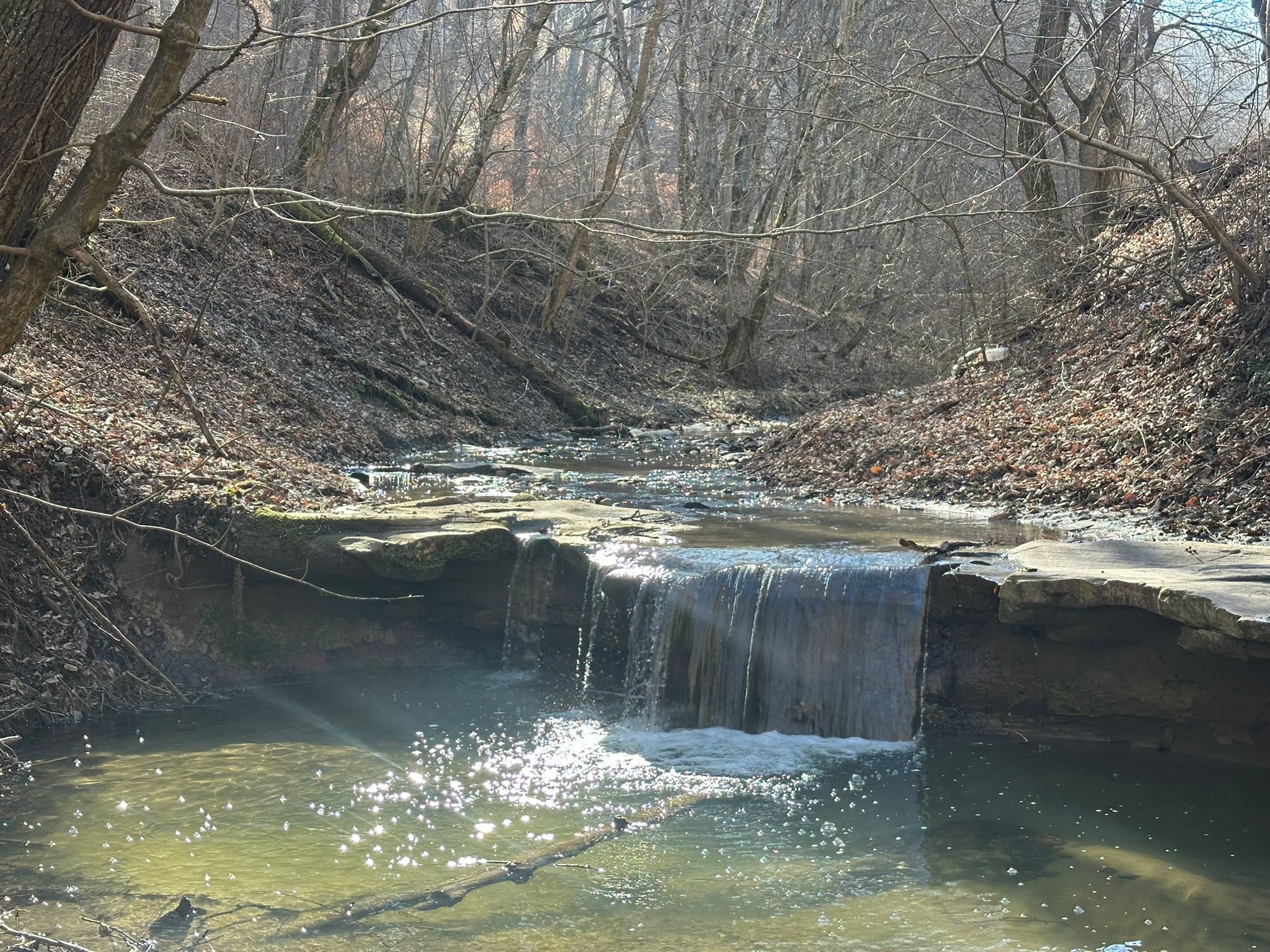
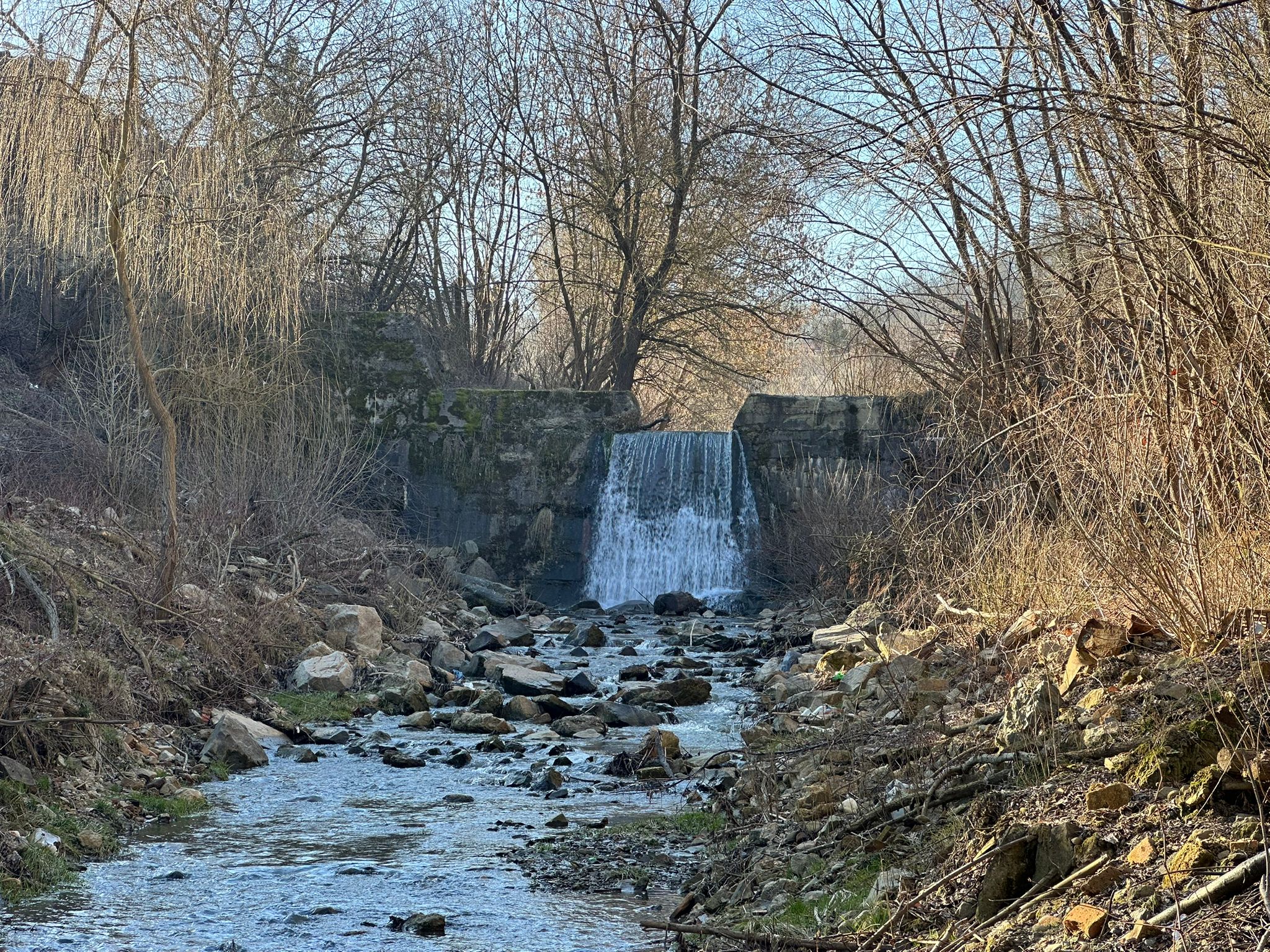
The project area includes the Târnava Mare River and 50 tributaries, with a total river network length of approximately 1,617 km and a catchment area of approximately 3,606 km². The basin has been affected by historical human interventions, including concrete barriers, weirs and other structures that interrupt river connectivity.
The Târnava Mare River was severely affected during the communist period by hard engineering interventions that altered the natural functioning of the river system. Although conservation efforts have increased since 2000, especially through the work of NGOs, the problem of aquatic ecosystem fragmentation has not yet been addressed systematically, mainly because of bureaucracy, lack of funding and the absence of a complete catchment-scale barrier inventory.
More than 50 barriers of different sizes are already known in the basin, but no rigorous and complete inventory has been made. There is also no prioritisation of the barriers that most urgently require removal. These physical barriers affect native fish populations, restrict movement between feeding, spawning, sheltering and overwintering habitats, interrupt sediment transport and contribute to habitat degradation.
EXPECTED RESULTS:
The project will produce:
- A complete barrier inventory for the Târnava Mare River and its 50 tributaries.
- GIS maps showing barrier locations, survey routes and key ecological information.
- A longlist of approximately 5–10 critical barriers suitable for future removal.
- Fish survey reports for selected priority barriers.
- Identification of owners and relevant legal or administrative aspects for shortlisted barriers.
- A final shortlist of approximately 3–5 barriers proposed for a future removal phase.
- Increased stakeholder awareness and support for river restoration and barrier removal.
- A stronger collaborative framework between organisations working on freshwater restoration in Transylvania.
ECOLOGICAL SIGNIFICANCE:
The Târnava Mare River, together with the Târnava Mică, forms part of an important tributary system of the middle Mureș River Basin. The basin supports a range of fish and lamprey species of conservation interest, including Carpathian lamprey, brown trout, Mediterranean barbel, European bitterling, common nase, stone loach and bullhead.
Restoring river connectivity is essential for maintaining viable fish populations. Many species rely on access to different habitats during their life cycle, including feeding, spawning, sheltering and overwintering areas. Barriers prevent this movement and reduce the ecological resilience of the river system.
The project will also contribute to improved understanding of river fragmentation in the Târnava Mare Basin and will provide practical data for future restoration actions at catchment level.